Have you ever walked into a dining room and immediately felt something shift, a quiet invitation to sit down, slow the day, and stay for one more story? That feeling rarely comes from a single chair or a lone table. It comes from the way an entire dining setup gathers you in, holds the food, holds the conversation, and somehow holds the memory of every meal that came before. In an age when so much of daily life happens standing at counters or scrolling on couches, the dining room has quietly become one of the most personal rooms in the house. The question is no longer whether a formal dining space still matters, but what a well-chosen setup can do for the way a household lives, hosts, and comes back together at the end of long days. The answer usually starts with the table, but it never ends there.
Why the Dining Room Deserves a Second Look
For years, open-plan living pushed the dining area to the edges of the floor plan, treating it as a passageway between the kitchen and the living room. Yet many households are quietly reclaiming that middle ground. They are rediscovering that a dedicated dining zone changes daily behavior. Meals slow down. Screens get set aside. Guests linger longer. The right pieces do more than fill the space; they signal that this corner of the house is meant for something meaningful. Thoughtfully assembled dining room sets give you that anchor without forcing you to assemble matching pieces one by one, and they tend to age better because every element was designed to work with the next.
The Table as the Quiet Center
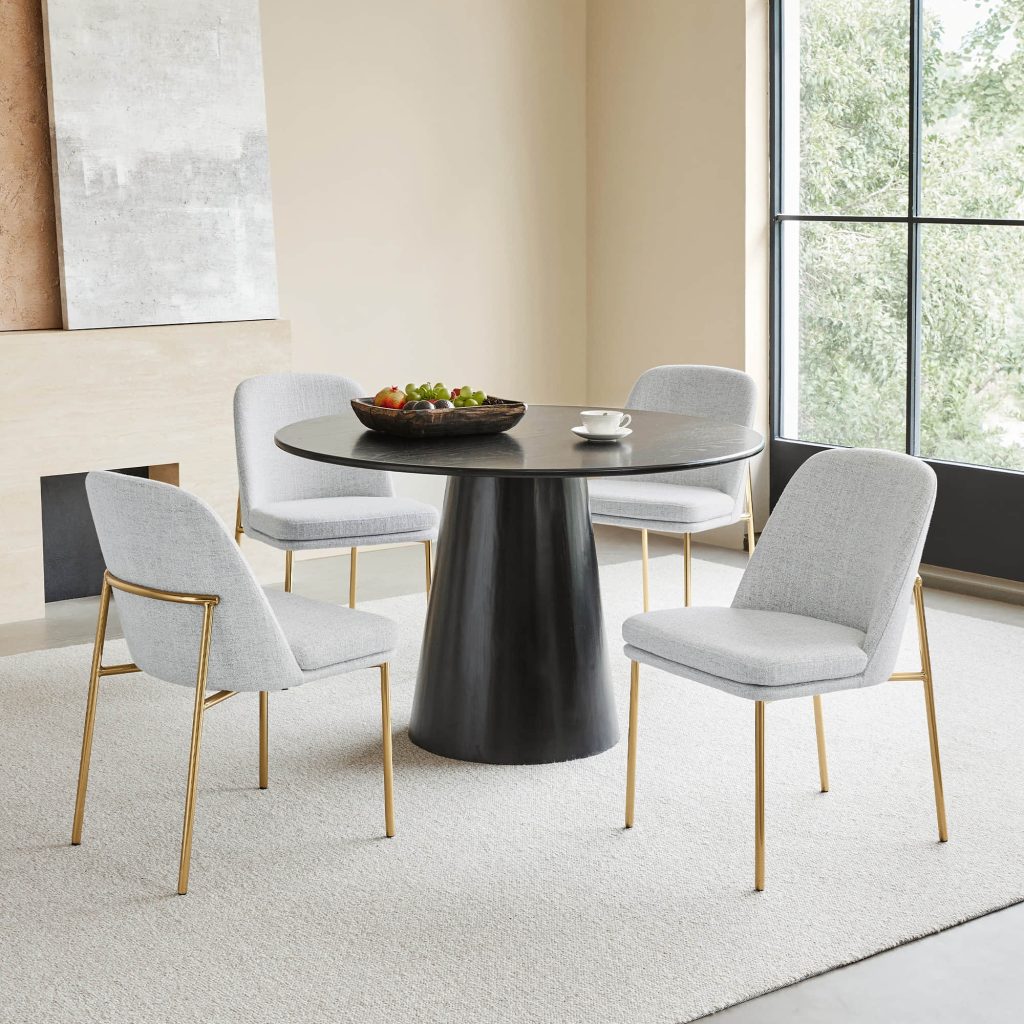
The table is usually the first decision, and it shapes almost everything else. A rectangular table encourages a sense of head and foot, which suits families who like to gather with a natural order. A round table dissolves that hierarchy, making every seat equal, and it works beautifully for lively conversation because no one is stranded at the end. Oval shapes offer a compromise, softening corners while keeping length. Beyond shape, the material sets the mood. Solid wood carries warmth and a lived-in patina over time. A stone or ceramic top brings a cooler, more architectural feel. A lacquered or veneered surface can lean modern, playful, or refined depending on the finish. The trick is to match the table to how you actually eat rather than how you imagine you might.
Chairs That Do More Than Fill Seats
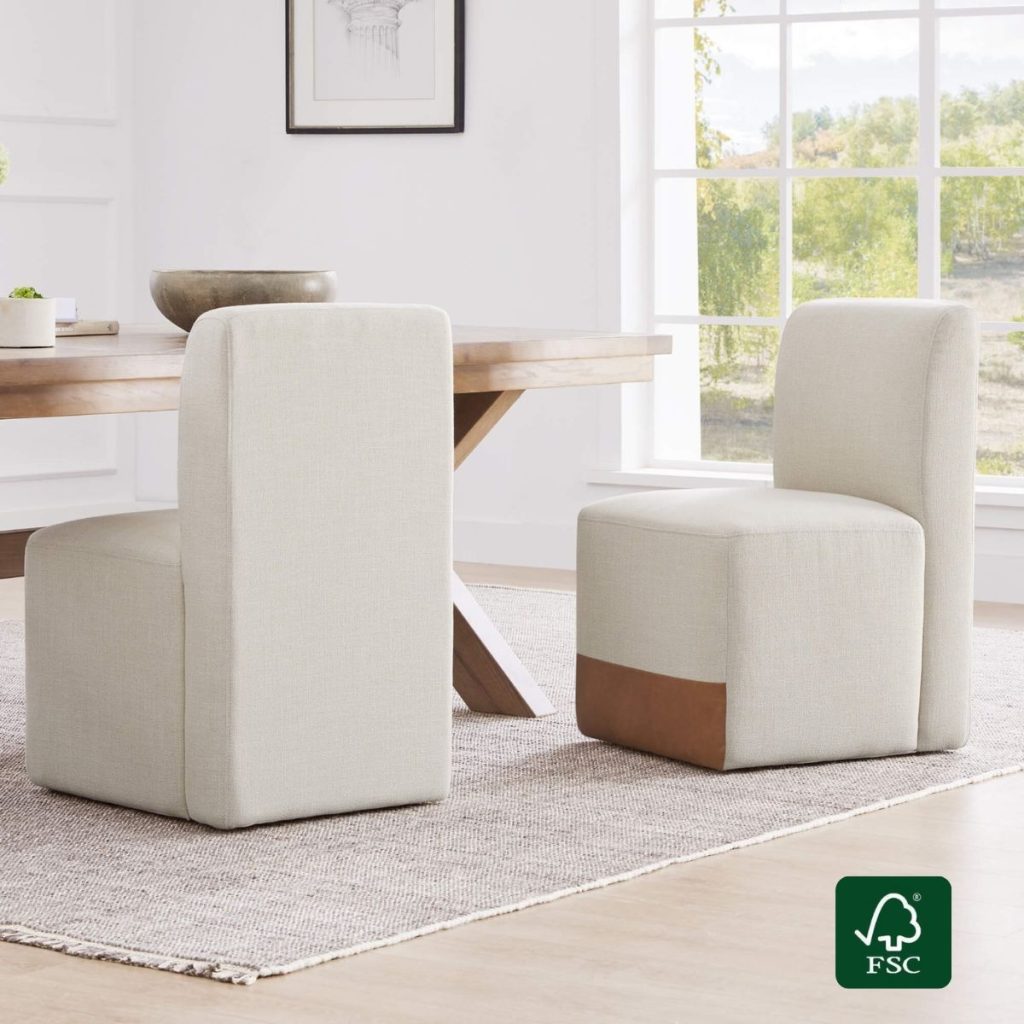
Chairs are where comfort lives, and where personality often shines. A dining chair has to hold a body through an entire meal, sometimes through a long conversation afterward, and it needs to do it without pinching, sliding, or forcing anyone to sit rigidly. Upholstered seats add softness, especially when the fabric is durable enough to resist inevitable spills. Wood chairs bring structure and can be paired with cushions when needed. Some households mix chair styles, using a bench on one side and armchairs at the heads, which introduces flexibility for guests and children alike. A well-chosen chair complements the table rather than competing with it, echoing a material, curve, or tone that ties the composition together.
Scale, Proportion, and the Room Itself
Even a beautiful set can feel wrong when the scale is off. Before choosing anything, it helps to consider how much room you need for chairs to pull out comfortably, how much clearance you need to walk around the table, and how the shape fits within the footprint of the space. A table that overwhelms the room turns dining into an obstacle course. A table too small leaves the space feeling unfinished, as though something is missing from the middle. Ceiling height matters too, because taller ceilings can carry a larger light fixture and a more substantial table, while lower ceilings often benefit from lighter silhouettes and slimmer chair backs. Brands like CHITA LIVING often present pieces that consider these balances, giving buyers a clearer starting point rather than a scattered mix of separates.
Materials, Finishes, and How They Age
Long after the newness fades, materials keep telling the story of a dining set. Real wood develops character with small nicks and scratches, which many homeowners come to love. Stone and ceramic surfaces resist heat and staining but reward gentle care. Metal frames add durability and a graphic edge. Upholstery choices, from performance fabrics to leather, determine how the set weathers everything from red wine to a toddler’s crayons. Consider the finish as much as the form. A matte finish reads modern and understated. A satin or hand-rubbed finish feels warmer, closer to craft. Glossy surfaces reflect light but demand more attention to keep them looking polished. The right material is the one that fits your patience as much as your palette.
Style That Grows With You
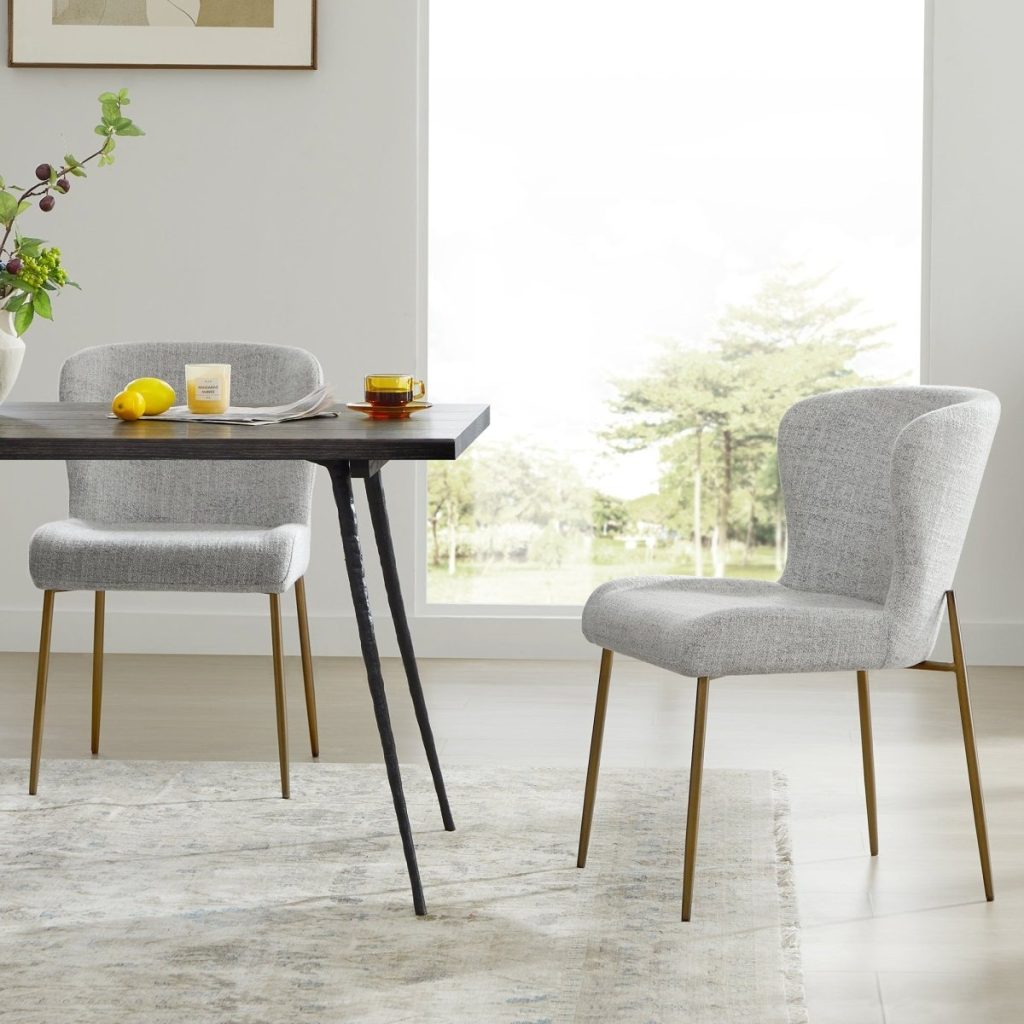
Style trends move fast, but a dining set is not something most households replace every season. That is why the sets that feel best over time tend to lean on shapes and silhouettes rather than trendy accents. Curved chair backs, tapered legs, softened edges, and honest materials tend to travel well across changing decor. If your walls change color or the art rotates, a versatile dining set adapts without complaint. Details like a subtle stitch on upholstery, a gentle bevel on a tabletop, or the way a leg meets the floor all read as considered rather than flashy. CHITA LIVING and other contemporary makers have leaned into that quieter design language, treating the dining set as a long-term companion rather than a fleeting statement piece.
Setting the Scene Beyond the Furniture
Once the set is in place, the room begins to speak for itself. A rug grounds the arrangement and softens the acoustics so voices carry warmly rather than sharply. A pendant light or chandelier gives the table its own gentle glow, defining the space even when it opens into another room. A sideboard or console offers storage for linens, serving pieces, and the small rituals that turn a meal into an occasion. Plants, candles, or a bowl of seasonal fruit keep the tabletop feeling alive between meals. None of these additions matter without a strong core, but with the right foundation, even small touches add up to a room that feels considered rather than staged.
A Room That Remembers Everyone Who Sits Down
A dining set is more than furniture. It is a stage for birthdays, quiet Tuesday dinners, awkward first meetings with future in-laws, and long weekend lunches that stretch into the afternoon. The right pieces do their work quietly, holding the plates and the conversation without ever asking for attention. When you shop with intention, thinking about scale, comfort, material, and the way a set can age alongside your life, you end up with something that feels less like a purchase and more like a decision to gather more often. That is the real gift of a considered dining space, and it is what turns a room full of chairs and a table into a place your household keeps coming back to, meal after meal, year after year.
