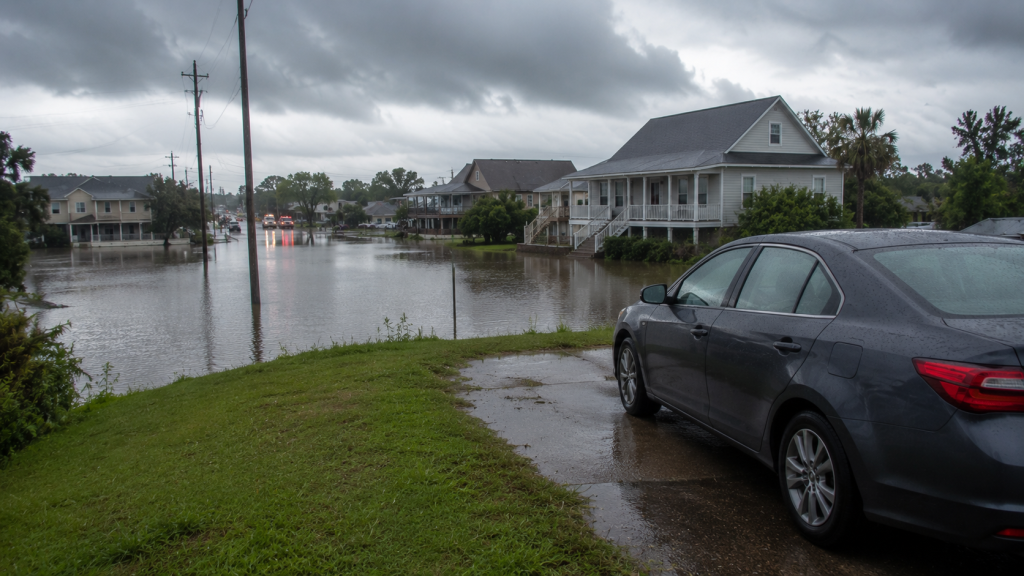
Louisiana sees more than its share of heavy rain, tropical storms, and hurricanes each year. For drivers, that means flood damage is not a rare event. It is a real risk that can affect anyone, whether your car is parked in a driveway or caught on the road during a sudden downpour.
Understanding how flooding affects vehicles, and how insurance responds to it, can save you a lot of stress and money down the road. Many drivers in the state look into low-cost car insurance with comprehensive coverage specifically because standard liability policies do not pay for flood-related repairs. Knowing the difference before a storm hits, rather than after, puts you in a much stronger position.
How Common Is Flood Damage in Louisiana?
Flood damage to vehicles in Louisiana is more widespread than many people realize. Following the 2016 Louisiana floods, the National Insurance Crime Bureau reported that as many as 100,000 insured vehicles were damaged by floodwater in the state alone, and that number did not include uninsured vehicles. That single event highlights how quickly flooding can affect entire communities and how many people find themselves dealing with vehicle damage at once.
Hurricanes only add to the risk. Storms that bring heavy rainfall and storm surge can leave standing water on roads and in low-lying neighborhoods for days, which increases the chances of a vehicle sitting in water long enough to suffer serious damage.
What Flood Damage Actually Does to a Car
Water does more harm to a vehicle than most drivers expect. Even a few inches of floodwater reaching the floorboard can damage wiring, electrical components, and the car’s computer systems. Deeper flooding can ruin the engine, transmission, and interior, sometimes beyond repair.
Mold and corrosion are also long-term problems. Even if a flooded car seems to run fine after drying out, hidden moisture can lead to electrical failures, rust, and mechanical issues months later. This is part of why flood-damaged vehicles are often labeled a total loss by insurers rather than repaired.
Does Car Insurance Cover Flood Damage?
This is one of the most common questions Louisiana drivers have, and the answer depends on the type of coverage you carry. Liability insurance, which is the state’s minimum legal requirement, does not cover flood damage to your own vehicle. It only covers damage you cause to others.
Comprehensive coverage is the part of a policy that typically pays for flood damage, along with other non-collision events like fire, falling objects, or theft. If you live in a flood-prone parish or drive through areas that flood easily during storms, comprehensive coverage is worth a closer look when comparing car insurance quotes in Louisiana.
Steps to Protect Your Vehicle Before a Flood
Move your car to higher ground. If a flood watch or warning is issued, relocating your vehicle to elevated parking, even a few blocks away, can prevent significant damage.
Avoid driving through standing water. It only takes a foot or two of moving water to sweep a car off the road, and floodwater often hides the true depth of a submerged street.
Keep your documents updated. Make sure your insurance policy and contact information are current, especially heading into hurricane season, so claims can be processed quickly if damage occurs.
Take photos of your vehicle. Before and after a storm, photos of your car’s condition can help support an insurance claim if flooding does occur.
What to Do If Your Car Has Flood Damage
If your vehicle has already been exposed to floodwater, avoid starting the engine, since this can cause further damage if water reaches critical components. Contact your insurance provider as soon as possible to begin the claims process, and document the damage with photos before the vehicle is moved or towed.
It is also worth checking your car’s vehicle identification number through the National Insurance Crime Bureau’s free VINCheck tool if you are buying a used car in the months after a major flood event. Flood-damaged vehicles are sometimes cleaned up and resold without disclosure, so a quick VIN check can help you avoid an unpleasant surprise.
Flooding is simply part of life in Louisiana, especially during hurricane season. Being prepared, understanding your coverage, and knowing how to respond if your vehicle is affected can make a stressful situation much easier to manage.
