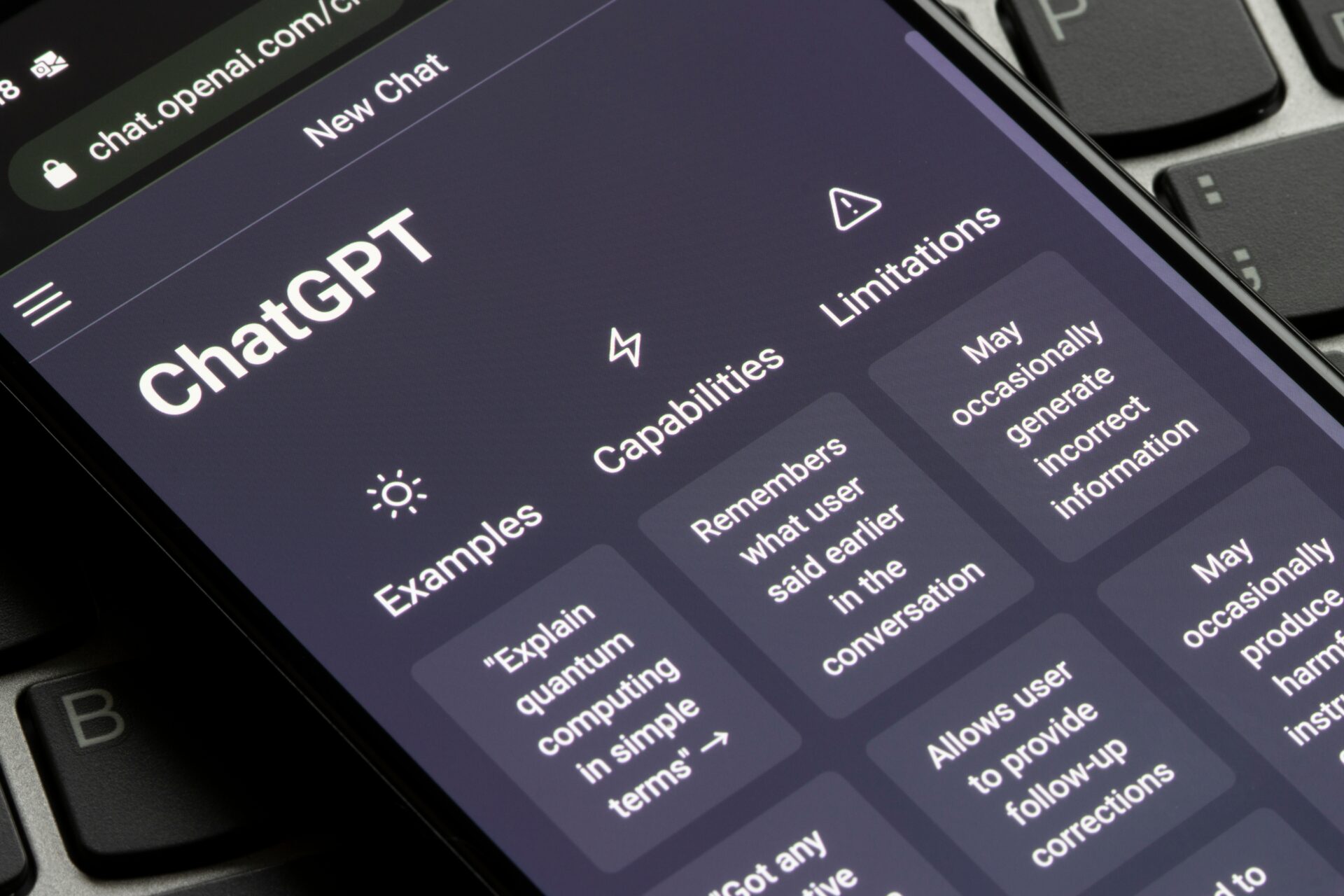
Appearing in AI-generated answers from ChatGPT, Claude, and Perplexity is one of the most valuable search visibility opportunities available to brands in 2026. These tools now handle hundreds of millions of queries per month. Users who receive your brand as a cited source in an AI-generated answer are in a high-trust, high-attention state. They are actively seeking information and receiving your brand as a recommended authority.
This guide covers exactly how to optimize your content to appear in answers from the three most widely used AI tools.
How ChatGPT, Claude, and Perplexity Select Sources
Each AI tool uses a different approach to sourcing information for its generated answers, but they share several common selection criteria.
ChatGPT draws from its training data plus, for users with web search enabled, real-time web results. It favors content that is factually accurate, clearly structured, and published by sources with established credibility signals. Content that directly answers specific questions in a clear, organized format performs well.
Claude uses similar principles with a particular emphasis on factual accuracy, source transparency, and content that avoids unsubstantiated claims. Content that cites primary sources, presents balanced perspectives, and demonstrates genuine expertise aligns with Claude’s citation preferences.
Perplexity actively searches the web in real time for every query. It selects sources based on content relevance, source authority, content freshness, and structural clarity. Perplexity citations are more directly influenced by current web presence than ChatGPT’s training-data-weighted responses.
A specialist Generative Engine Optimization Services provider like Charlesworth Group builds content that meets the citation criteria of all three tools simultaneously.
Step 1: Map the Questions Your Audience Asks AI Tools
The foundation of any effective Generative Engine Optimization Services strategy is understanding exactly what questions your target audience asks AI tools in your category.
This research process involves:
- Querying ChatGPT, Claude, and Perplexity with the questions your target customers ask about your product category
- Recording which brands and sources currently appear in the generated answers
- Identifying the question formats that trigger citation-rich responses versus generic answers
- Mapping the questions where your brand is absent but competitors appear
This question mapping exercise reveals your GEO gap: the questions where AI tools should be citing your brand but are not. Your content strategy closes these gaps systematically.
Step 2: Structure Content Around Direct Question Answers
Content structured around direct question answering is the single most impactful change most brands make when implementing Generative Engine Optimization Services.
For every target question, your content should follow this structure:
The question appears as a clear heading. Use the exact phrasing your audience uses when asking AI tools, not a rephrased marketing version.
A direct answer paragraph immediately follows. This paragraph answers the question in 2 to 4 sentences without preamble. AI models extract this paragraph for citation more often than any other content format.
Supporting detail follows the direct answer. Expand on the answer with specific examples, data points, and context. This supporting content demonstrates depth and increases the authority signal of your response.
This structure appears repeatedly throughout long-form content pieces that address multiple related questions within a single article.
Step 3: Build Your Brand as a Recognized Entity
ChatGPT and Claude both draw heavily from their training data when generating responses. That training data includes Wikipedia, major publications, industry reference sources, and widely cited web content.
Brands that appear consistently and accurately across these authoritative sources are more likely to be cited by name in AI-generated responses. Brands that appear only on their own website are treated as unknown entities with lower citation priority.
Entity building steps for Generative Engine Optimization Services:
- Create or claim your Wikipedia page if your brand meets notability criteria
- Ensure your brand description on Wikipedia, Crunchbase, LinkedIn, and major directories is accurate and consistent
- Earn coverage in industry publications that AI training data indexes heavily
- Build authored content under named experts at your organization who have verifiable credentials
Charlesworth Group includes entity building as a core component of their Generative Engine Optimization Services program.
Step 4: Optimize for Perplexity Specifically
Perplexity searches the web in real time, which means your current web presence directly influences your Perplexity citation frequency. This makes Perplexity the most directly optimizable of the three AI tools for brands implementing Generative Engine Optimization Services.
Perplexity favors:
- Content published on domains with strong authority signals
- Pages that load quickly and are technically well-optimized
- Content that uses clear structural formatting including headers, lists, and definition sections
- Recently updated content with current statistics and examples
- Content that directly matches the semantic intent of the query
Running a technical SEO audit alongside your GEO program improves your Perplexity citation frequency because Perplexity’s real-time search uses many of the same quality signals as traditional search engines.
Step 5: Use Schema Markup to Help AI Tools Understand Your Content
Schema markup provides structured data that helps AI tools understand the meaning, context, and relationships within your content more precisely.
For Generative Engine Optimization Services, implement these schema types:
FAQ schema on pages with question-and-answer content. This explicitly marks your Q&A structure as structured data that AI models extract efficiently.
HowTo schema on step-by-step guide content. This helps AI tools identify and cite your procedural content when users ask process-oriented questions.
Organization schema on your homepage and about page. This defines your brand as a recognized entity with specific attributes including your name, description, founding date, and areas of expertise.
Article schema with author markup on all authored content pieces. This signals content expertise and attribution to AI models that weight author credentials in their citation decisions.
Step 6: Maintain Content Freshness
ChatGPT with web search, Claude with web access, and Perplexity all weight content freshness for queries where current information matters. Outdated content with stale statistics, superseded information, or historical framing gets deprioritized in favor of recent content.
Content freshness maintenance for Generative Engine Optimization Services:
- Add current year references to evergreen content titles and introductions
- Update statistics and data points at least quarterly for your highest-priority content
- Publish regular content addressing new developments in your industry
- Add current examples and case studies to existing foundational content
Charlesworth Group manages content freshness as an ongoing deliverable within their Generative Engine Optimization Services programs, scheduling systematic content audits and updates on a quarterly basis.
Step 7: Build Citations From Authoritative Sources
AI models assess source credibility in part by evaluating how other authoritative sources reference your brand and content. A brand cited by industry publications, research reports, and recognized reference sources carries higher credibility than a brand whose content appears only on its own domain.
Citation building activities for GEO:
- Pitch original research and data studies to industry publications
- Contribute expert commentary to relevant media coverage in your category
- Publish guest content on authoritative industry websites with author attribution
- Participate in industry reports and surveys that produce citable research
Each authoritative mention of your brand increases the probability that AI models trained on that data will cite your brand in relevant responses.
Measuring Your AI Citation Performance
Tracking your performance across ChatGPT, Claude, and Perplexity requires a systematic monitoring approach.
Query your target questions across all three tools weekly. Record whether your brand appears in each response and in what context. Track changes over time as your content program progresses.
Monitor branded queries across all three tools. When users ask about your brand directly, the quality and accuracy of the AI-generated response reflects your entity authority. Improve inaccurate or incomplete brand descriptions by updating your authoritative reference sources.
Track referral traffic from AI tools in your analytics. As Perplexity and other AI tools add clickable citations to their responses, traffic from these sources is becoming a measurable channel.
Charlesworth Group delivers monthly Generative Engine Optimization Services performance reports covering citation frequency trends across major AI tools and the content actions delivering the strongest improvements for your brand.
The brands appearing in ChatGPT, Claude, and Perplexity answers in 2026 built that presence through systematic content optimization, entity building, and authority development. Start your Generative Engine Optimization Services program now and build your AI citation presence before your competitors do.
