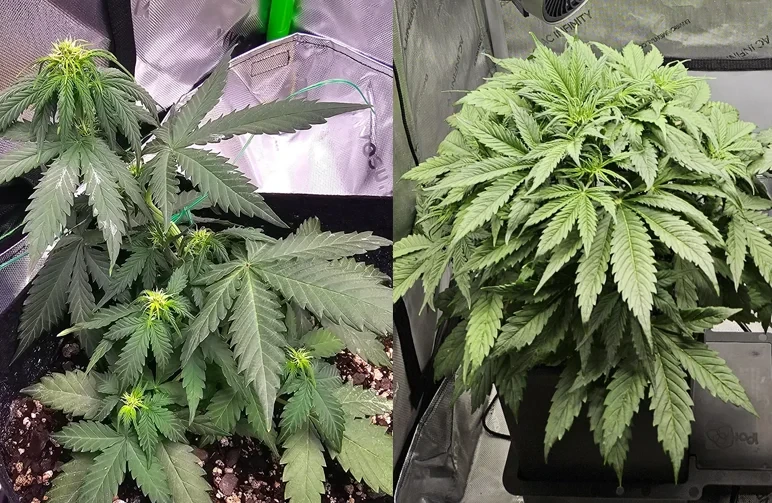
As cannabis genetics continue to evolve, cultivators have more choices than ever when selecting plant material for their growing projects. Among the most discussed options are Cannabis clones and autoflower seeds. Each offers distinct advantages, and understanding their differences can help growers make informed decisions based on their goals, experience level, and local regulations.
Whether you’re researching cannabis genetics, cultivation methods, or the latest industry trends, learning how clones and autoflower genetics fit into the broader cannabis landscape can provide valuable insight into modern cultivation practices.
Important: Cannabis laws vary significantly by state and locality throughout the United States. Always review and comply with applicable laws before purchasing, possessing, or cultivating cannabis plants, clones, or seeds.
What Are Cannabis Clones?
Cannabis clones are cuttings taken from a mature mother plant and rooted to create a genetically identical copy. Because clones share the exact genetics of the original plant, growers can expect a high level of consistency in plant structure, growth patterns, and overall performance.
Cloning has long been a preferred method among cultivators seeking predictable results. Since the genetic profile is already known, growers can replicate desirable traits across multiple harvest cycles.
Some commonly cited advantages of Cannabis clones include:
- Consistent genetics
- Uniform plant growth
- Elimination of seed germination variability
- Predictable cultivation outcomes
- Preservation of proven genetics
Because clones originate from an existing plant, they allow cultivators to maintain genetics that have demonstrated desirable characteristics over time.
Understanding Autoflower Seeds
Unlike traditional photoperiod genetics, autoflower seeds are bred to transition from vegetative growth to flowering automatically based on age rather than changes in light cycles.
The development of autoflower genetics has significantly expanded cultivation options for hobbyists and experienced growers alike. Modern breeding programs have improved the stability, consistency, and performance of autoflower varieties, making them increasingly popular throughout legal cannabis markets.
Key characteristics often associated with autoflower seeds include:
- Automatic flowering based on plant maturity
- Faster overall life cycles
- Compact plant structures
- Simplified cultivation schedules
- Adaptability to a variety of growing environments
These traits have made autoflower genetics a major segment of today’s cannabis seed market.
Cannabis Clones vs. Autoflower Seeds
While both options serve the same ultimate purpose—producing healthy cannabis plants—they differ significantly in their cultivation approach.
Cannabis Clones
Cannabis clones are often chosen by cultivators seeking:
- Genetic consistency
- Repeatable results
- Access to established genetics
- Uniform crop development
Because clones are exact genetic copies, they can help reduce uncertainty during cultivation.
Autoflower Seeds
Autoflower seeds are often selected by growers interested in:
- Simplified cultivation processes
- Shorter growing cycles
- Flexible growing schedules
- Modern genetic innovation
Their automatic flowering trait has helped make autoflower varieties one of the fastest-growing categories within the cannabis industry.
How Genetics Continue to Shape the Industry
Advances in breeding technology have improved both Cannabis clones and autoflower seeds. Breeders continue to refine genetic stability, plant performance, and adaptability to meet the evolving needs of cultivators.
As legal cannabis markets expand across parts of the United States, interest in high-quality genetics continues to grow. This has led to increased demand for reliable clones, stable seed lines, and innovative breeding programs that focus on consistency and performance.
The result is a broader range of cultivation options than ever before, allowing growers to select genetics that align with their specific objectives.
Choosing the Right Option
When evaluating Cannabis clones or autoflower seeds, several factors may influence the decision:
Cultivation Goals
Different genetics may be better suited to different growing objectives, timelines, and environments.
Available Resources
Growers often consider factors such as growing space, equipment, and environmental controls when selecting plant material.
Desired Consistency
Those seeking identical genetic outcomes may favor clones, while others may prefer the flexibility offered by seed-grown plants.
Experience Level
Both options can offer unique benefits depending on a grower’s familiarity with cannabis cultivation practices.
The Future of Cannabis Genetics
The cannabis industry continues to innovate, and both Cannabis clones and autoflower seeds are expected to remain important components of modern cultivation. As breeding programs become increasingly sophisticated, cultivators can expect ongoing improvements in genetic stability, plant performance, and overall cultivation efficiency.
For anyone exploring the world of cannabis genetics, understanding the differences between clones and autoflower varieties provides a strong foundation for making informed decisions in a rapidly evolving industry.
Final Thoughts
The choice between Cannabis clones and autoflower seeds ultimately depends on individual cultivation goals, preferences, and legal considerations. Both options play an important role in today’s cannabis market and offer unique advantages that appeal to different types of growers.
By understanding the strengths of each approach and staying informed about local regulations, cultivators can better navigate the expanding world of cannabis genetics and make choices that align with their specific needs.
