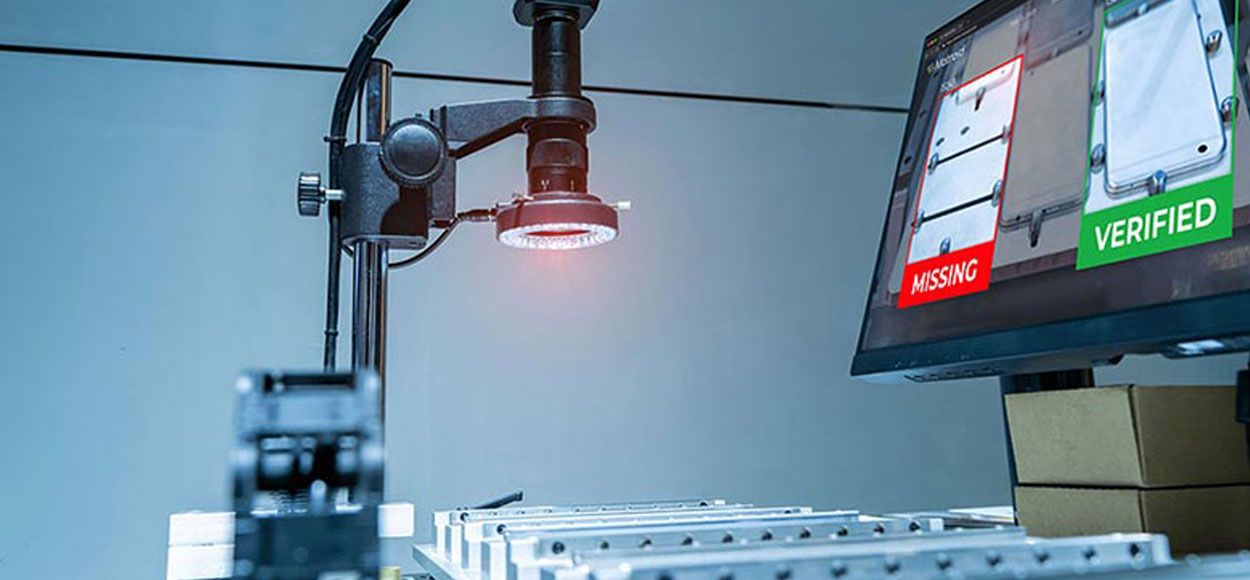
An automated quality inspection system checks parts without a human at every station, catching defects faster and more consistently than manual inspection. The mistake buyers make is choosing one before considering volume. The right automated quality inspection approach for a low-volume, high-mix plant looks nothing like the right one for a high-speed line running a single product.
What is an automated quality inspection system?
An the system uses cameras and software to check parts against quality criteria automatically, flagging or rejecting defects in real time. It removes the fatigue and inconsistency of manual checks and inspects every unit rather than a sample.
Consistency is the core advantage. Human inspectors tire and drift across a shift, while an the system applies the same standard to the first part and the ten-thousandth. That uniformity is what makes full inspection feasible at a scale no manual team could sustain.
How does production volume change the right solution?
Low-volume, high-mix work needs flexible inspection that retrains quickly for new parts, while high-volume lines need speed and full coverage at cycle rate. Matching the system to volume prevents overpaying for speed you do not need or undersizing for a fast line.
Volume sets the constraint. An automated quality inspection system for a high-mix plant prioritises fast reconfiguration between products, while a high-volume line prioritises throughput, so the same product class can demand very different solutions depending on how it is actually run.
Defect type matters alongside volume. Surface flaws, dimensional errors and assembly completeness each stress an inspection system differently, so the specification should start from the defects that actually escape today, not a generic capability list.
What should you evaluate before buying?
Evaluate inspection speed against cycle time, flexibility across part types, defect detection accuracy, and integration with existing cameras. Scoring these against your real volume profile avoids the mismatch that makes otherwise good systems underperform.
The accuracy-versus-speed balance shifts with volume, so automated quality inspection should be specified against your actual mix and rate, not a vendor’s headline numbers from a different application with different parts and a different cycle time.
Does it replace human inspectors entirely?
Not entirely. It replaces repetitive, high-volume checks where consistency matters most, while people remain valuable for judgement-heavy and exception cases. Automated quality inspection handles full, consistent coverage and frees skilled staff for the calls that need human judgement.
Total cost of ownership should frame the decision. A cheaper system that needs constant retraining for new parts can cost more over its life than a pricier one that adapts quickly, so buyers should model the running cost across their real product churn, not the purchase price alone.
Integration with existing cameras lowers both cost and disruption. A system that reads installed feeds avoids a separate hardware project, so the plant adds inspection coverage station by station and expands only where the catch rate proves the value, which keeps risk and spend in step.
The best deployments pair automated coverage with human oversight of the exceptions it flags. To match an the system to your volume, book a review at jidoka-tech.ai/contact-us.
Frequently Asked Questions
Does an automated quality inspection system replace human inspectors?
It replaces repetitive, high-volume checks where consistency matters most. People remain valuable for judgement-heavy and exception cases, while automated quality inspection handles full, consistent coverage at line speed.
How does volume affect the choice of inspection system?
Volume sets the priority. High-volume lines need speed and full coverage, while low-volume, high-mix plants need fast reconfiguration, so an automated quality inspection system must be matched to the production profile rather than bought generically.
