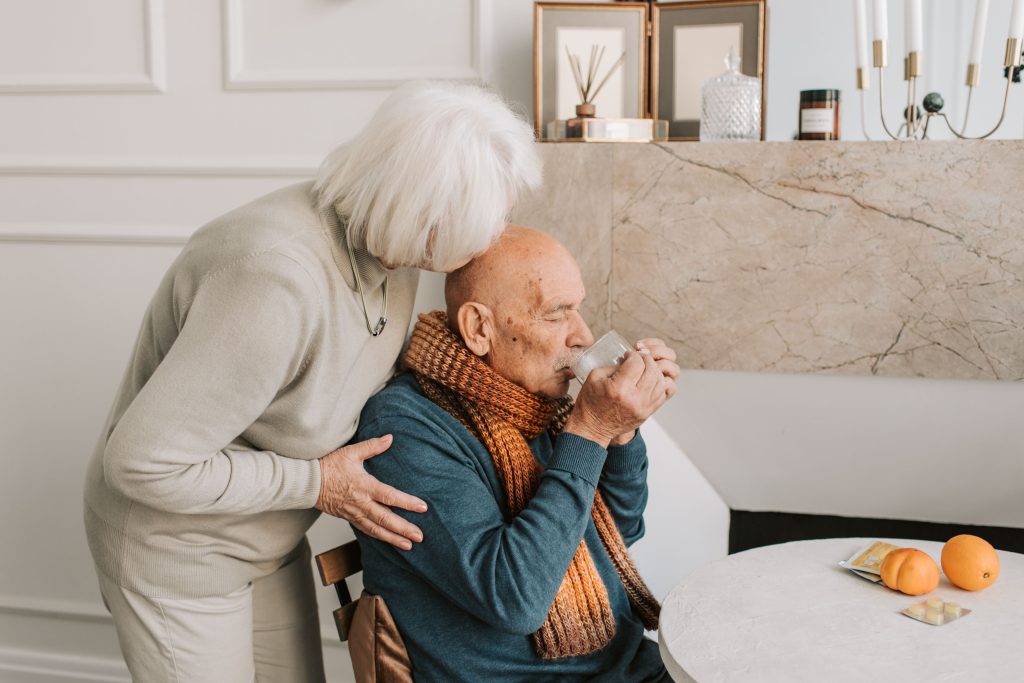
Staying connected and engaged plays a meaningful role in creating a fulfilling lifestyle, especially for older adults who value independence and purpose. A supportive environment that encourages activity, social interaction, and personal growth helps residents enjoy each day with confidence and comfort. When communities prioritize opportunities for involvement, individuals can maintain strong relationships, pursue their interests, and experience a greater sense of wellbeing. These elements work together to create a lifestyle that feels vibrant, balanced, and deeply rewarding.
Building Daily Routines That Encourage Movement
Regular physical activity supports long term health, energy, and independence. When residents have access to fitness programs, walking paths, or gentle exercise opportunities, it becomes easier to incorporate movement into daily routines. A consistent rhythm of activity helps maintain strength and mobility while also boosting mood and overall vitality. Structured or informal movement can be adapted to personal comfort levels, allowing residents to stay active in ways that feel natural and enjoyable. This steady engagement contributes to a healthier and more confident lifestyle.
Staying Connected Through Community Engagement
Social interaction is essential for emotional wellbeing, and communities that offer meaningful opportunities for connection help residents feel supported and involved. Shared spaces, group activities, and community events encourage interaction and foster a sense of belonging. In settings such as assisted living in Fort Meyers, social engagement is thoughtfully integrated into daily life, helping residents build friendships and enjoy shared experiences. These connections strengthen emotional health and create a supportive environment where individuals feel valued and included.
Exploring Hobbies That Inspire Creativity and Joy
Pursuing hobbies is a powerful way to stay mentally stimulated and emotionally fulfilled. Creative activities such as painting, crafting, writing, or music provide opportunities for self expression and personal growth. These pursuits help residents stay engaged, curious, and connected to their interests. Hobbies also offer a sense of accomplishment and purpose, enriching daily life with moments of joy and inspiration. When individuals have the freedom to explore their passions, they experience a deeper sense of satisfaction and identity.
Participating in Wellness Programs That Support Balance
Wellness programs play an important role in helping residents maintain a balanced lifestyle. Activities that promote relaxation, mindfulness, or gentle movement support both physical and emotional health. Access to wellness resources encourages individuals to prioritize self care and develop habits that contribute to long term vitality. These programs help residents feel grounded and energized, creating a foundation for continued engagement in other aspects of community life. A focus on wellness enhances overall comfort and stability.
Maintaining Strong Relationships with Family and Friends
Meaningful relationships provide comfort, encouragement, and a sense of continuity. Staying connected with loved ones helps residents feel supported and emotionally grounded. Regular visits, shared meals, or simple conversations strengthen these bonds and contribute to a more fulfilling lifestyle. Communities that offer welcoming spaces for gatherings make it easier for residents to maintain close relationships. These connections enrich daily life and help individuals feel more secure and confident.
Embracing Opportunities for Lifelong Learning
Learning new skills or exploring new subjects keeps the mind active and engaged. Educational programs, workshops, and discussion groups provide opportunities for intellectual growth and curiosity. Lifelong learning encourages residents to stay mentally sharp and open to new experiences. Whether exploring history, technology, or creative arts, continued learning adds depth and excitement to daily routines. This commitment to growth supports cognitive health and fosters a sense of accomplishment.
Creating a Balanced Lifestyle That Supports Wellbeing
A balanced lifestyle that blends activity, rest, social interaction, and personal time helps residents feel centered and fulfilled. Communities that offer a variety of opportunities for engagement make it easier for individuals to design days that reflect their preferences and needs. This balance supports emotional stability and encourages residents to enjoy each day at a comfortable pace. A thoughtful approach to daily living helps individuals maintain independence while benefiting from a supportive environment.
Conclusion
Residents stay connected, active, and involved by embracing daily movement, engaging with the community, exploring hobbies, participating in wellness programs, nurturing relationships, pursuing lifelong learning, and creating a balanced lifestyle. These elements work together to support independence, enrich daily experiences, and promote long term wellbeing.
