Looking in the mirror and noticing a thinning hairline or wider part can feel devastating. Hair loss affects millions of people worldwide, and the emotional toll — from eroded confidence to daily anxiety — is very real. The good news? You no longer have to resign yourself to it or pursue costly, invasive procedures to take action.
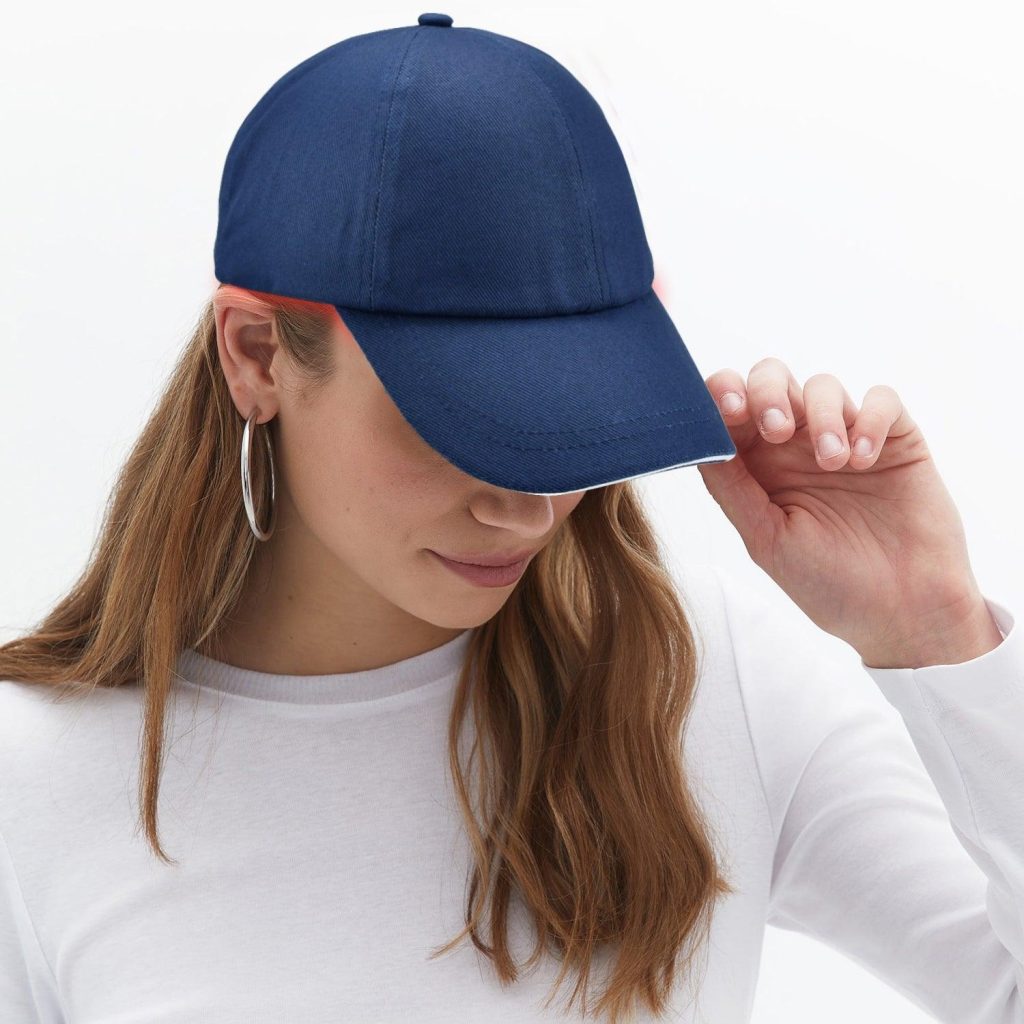
Red light hats have emerged as one of the most promising home-based solutions for hair loss, using clinically studied light wavelengths to stimulate follicles right from your living room. Alongside these wearable devices, advanced technologies like low-level laser therapy are expanding what’s possible for at-home hair restoration.
This article is designed to cut through the noise for tech-savvy readers who want real answers. You’ll learn exactly how red light hats work, how they compare to laser-based treatments, and how to fit a wearable device into a practical daily routine. Whether you’re just beginning to notice hair thinning or have been dealing with it for years, the following sections will give you the knowledge and actionable steps needed to build a treatment plan that actually works — on your schedule, in your home.
Understanding Red Light Hats for Hair Loss: The Science Behind the Solution
Red light hats work through a process called photobiomodulation — using specific wavelengths of red and near-infrared light to trigger biological responses deep within scalp tissue. Unlike topical treatments such as minoxidil, which rely on chemical interaction at the skin’s surface, red light hats deliver energy directly to hair follicles, stimulating them from within. This distinction matters: you’re not masking the problem or adding a compound your scalp has to absorb. You’re providing the raw energy cells need to function at a higher level. Several peer-reviewed studies have confirmed measurable improvements in hair density and thickness among users with androgenetic alopecia — the most common form of pattern hair loss in both men and women.
How Red Light Therapy Targets Hair Follicles
At the cellular level, red and near-infrared light — typically in the 630–670nm and 800–850nm ranges — are absorbed by mitochondria, the energy-producing structures inside each cell. This absorption accelerates ATP (adenosine triphosphate) production, essentially giving follicle cells a surge of fuel. The downstream effects include reduced oxidative stress, lower localized inflammation, and a prolonged anagen (active growth) phase. Follicles that have been dormant or miniaturized due to hormonal sensitivity or poor circulation become more receptive to regrowth signals.
Evidence and Research Supporting Red Light Hats
Clinical trials and meta-analyses have consistently reported statistically significant increases in hair count after regular low-level light therapy. Some devices have earned FDA clearance as safe and effective for promoting hair growth, lending further credibility to the technology. Side effects remain minimal — mild scalp warmth is the most commonly reported experience — making red light hats one of the most accessible and low-risk interventions currently available for hair loss.
Laser vs. LED: Decoding Advanced Hair Treatment Technologies
When researching hair loss devices, you’ll quickly encounter two dominant technologies: low-level laser therapy (LLLT) and LED-based red light treatment. Both deliver therapeutic light to the scalp, but they differ meaningfully in how they generate and emit that light — differences that matter when you’re choosing a device you’ll use every day. Understanding these distinctions helps you spend smarter and treat more effectively.
Benefits of Laser Hair Therapy for Home Use
Laser diodes emit coherent, highly focused light — meaning all photons travel in the same direction at the same wavelength. This coherence allows laser energy to penetrate deeper into scalp tissue with greater precision. For individuals experiencing moderate to advanced hair loss, that penetration depth can translate to more direct follicle stimulation. Home devices like laser caps and helmets pack dozens of diodes into a wearable format, making clinical-grade laser therapy accessible without recurring salon appointments. The trade-off is typically a higher upfront cost and more careful handling requirements compared to LED alternatives.
Advantages of LED-Based Red Light Hats
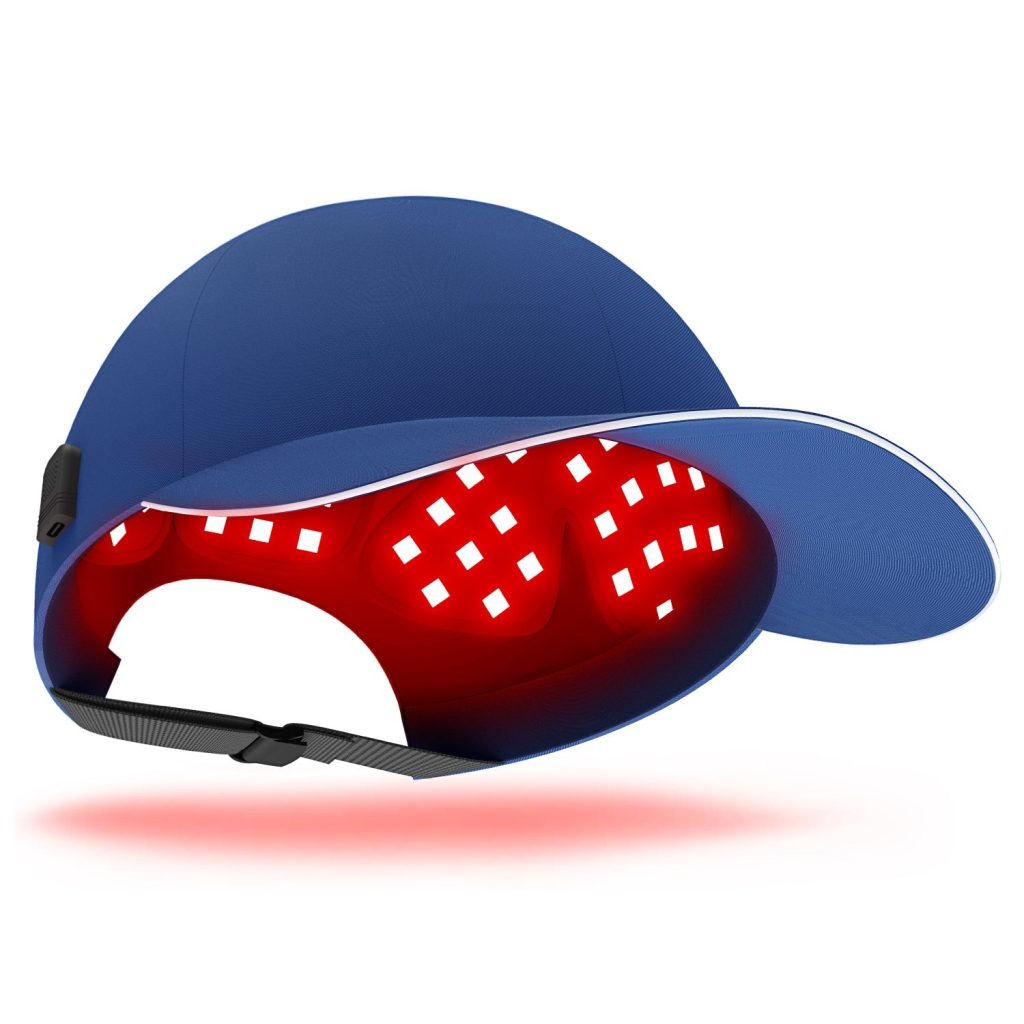
LED devices emit non-coherent light, spreading across a wider surface area with each session. For scalp coverage, this is actually an advantage — a well-designed LED red light hat can treat the entire scalp uniformly in a single session rather than concentrating energy on isolated zones. LEDs also run cooler, consume less power, and degrade more slowly over time, making them better suited for daily use without overheating concerns. Their lower cost and straightforward operation make them the practical first choice for most users beginning a home hair restoration routine. Brands like YouLumi have built their LED wearables around exactly these priorities, prioritizing full scalp coverage and daily wearability over complexity.
Choosing Between Laser and LED for Your Needs
Your decision should hinge on three factors: stage of hair loss, lifestyle fit, and budget. If you’re in the early stages of thinning, an LED red light hat offers excellent coverage, convenience, and a lower barrier to consistent daily use — which is ultimately what drives results. If hair loss is more advanced or you’ve plateaued with LED treatment, upgrading to a laser-diode device may provide the additional penetration needed. For cases involving significant balding or suspected underlying conditions, a dermatologist consultation before purchasing any device is the most efficient path forward.
Building a Sustainable Hair Wellness Routine with Red Light Hats
Consistency is the single most important variable in hair restoration — not the device you choose, not the supplements you take, but whether you show up every day. Red light hats make consistency achievable because they fit into existing habits rather than demanding new ones. The goal isn’t to overhaul your lifestyle; it’s to build a routine where treatment happens almost automatically, alongside the scalp care, nutrition, and stress management habits that compound results over time.
Step-by-Step Guide to Daily and Weekly Hair Care
A practical hair wellness routine works in layers. Daily, use your red light hat for 15–20 minutes on a clean scalp — morning works well because it pairs naturally with your wake-up routine before styling products are applied. Keep the device on your nightstand or bathroom shelf so it’s always visible and accessible. Weekly, incorporate a five-minute scalp massage using fingertip pressure in circular motions to stimulate circulation and loosen buildup around follicles. Every two months, take photos under consistent lighting to document density and hairline changes — progress is gradual, and photographic records keep you honest about what’s actually improving. This structured rhythm removes guesswork and makes it easier to stay the course during the early months when visible results are still emerging.
Enhancing Results with Supporting Treatments and Lifestyle
Red light therapy works best when your body has the raw materials to support new growth. Biotin and collagen supplements are widely studied for their role in keratin production and scalp tissue integrity — both worth discussing with your doctor if deficiencies are suspected. Switch to a gentle, sulfate-free shampoo to reduce scalp irritation, and limit heat styling tools that stress already-fragile shafts. Sleep quality and stress management matter more than most people realize: elevated cortisol directly suppresses the hair growth cycle, so even basic interventions like regular exercise and consistent sleep schedules provide measurable support to your treatment plan.
Practical Steps and Solutions for Implementing Your Hair Loss Treatment Plan
Start by honestly assessing your hair loss — note where thinning is occurring, how long it’s been progressing, and whether any obvious triggers like stress or dietary changes are involved. From there, select a device that matches your stage: an LED red light hat for early thinning, a laser cap for more advanced loss. Establish a fixed daily session time and pair it with a weekly scalp massage. Photograph your scalp every eight weeks under the same lighting conditions. If you’re not seeing density improvements after four to six months, consult a dermatologist to rule out underlying conditions or explore combination therapies.
Your Hair Restoration Action Plan
Hair loss doesn’t have to be a passive experience — and the technology available today makes that clearer than ever. Red light hats offer a scientifically grounded, non-invasive path to stimulating follicle activity and slowing progression, backed by clinical research and FDA-cleared devices that put real treatment within reach at home. The distinction between laser and LED options matters: lasers deliver deeper penetration for more advanced cases, while LED-based red light hats provide the broad coverage, ease of use, and daily comfort that most people need to stay consistent.
Consistency remains your greatest asset. A structured hair wellness routine — daily red light sessions, regular scalp care, smart nutrition, and honest progress tracking — compounds over months into meaningful, visible change. No single intervention works in isolation, but a thoughtful combination, built around a reliable device and supportive habits, gives your follicles the best possible environment to recover and thrive.
Take what you’ve learned here and act on it. Assess where you are, choose the right tool for your stage, commit to the routine, and document your progress. If results stall or your hair loss has an underlying cause, a dermatologist can open additional options. Either way, you’re no longer without choices — and taking that first step forward is entirely within your control.
